
Guides
TDAC Easy Guide
Reading time: 2 min
TDAC Thailand 2026: How to Fill It In Without Stress
The TDAC, Thailand Digital Arrival Card, has been mandatory for entering Thailand since May 1st, 2025. Here is everything you need to know to complete it correctly and travel with peace of mind.
You’re heading to Thailand. You’re already dreaming of turquoise beaches, golden temples, warm smiles and incredible flavours. The last thing you want is to find yourself stuck in front of an administrative form to fill out on your phone, the night before departure, hoping you don’t make a mistake.
That’s exactly why we’re here.
What exactly is the TDAC?
Since May 1st, 2025, Thailand has taken an important step forward in modernising its tourism entry process by introducing the TDAC — Thailand Digital Arrival Card. This online form replaces the old TM6, that small paper card filled out in a hurry on the plane, often with a borrowed pen, in turbulence, with barely legible handwriting.
The TDAC is a real improvement. Everything is done online, from your phone or computer, calmly, before you even board the plane. Thailand has chosen to simplify and secure entry into the country for all foreign travellers, and that is a decision worth acknowledging.
It is not a visa. It is not an entry permit. It is a mandatory digital arrival declaration, required for every foreign traveller regardless of nationality or visa status.
The 72-hour window: the critical point many travellers miss
This is without doubt the most important thing to remember about the TDAC.
The form can only be submitted to the Thai authorities within the 72 hours before your arrival. Not before. This window is set by the Thai authorities and is non-negotiable.
Concretely, if your flight lands on a Friday at 2pm, the official submission can only take place from Tuesday at 2pm onwards. Not on Sunday when you are thinking about getting everything organised. Not on Monday evening while you are packing your bags.
This timing constraint is precisely what causes the most problems for travellers. You forget, you get caught up in the rush of departure, you realise too late. And that is when the stress kicks in.
This is where our service comes in.
With thailandentry.com, you can submit your file to us up to 12 months before your departure. Today if you wish. Your application is registered, secured, and placed in our priority processing queue. You no longer have anything to monitor or manage. When the official 72-hour window opens, our team submits your file automatically, on time, without you having to lift a finger.
You pack your bags. We handle the rest.
Why is it important to fill it in correctly?
The TDAC is an official document checked upon your arrival in Thailand. And as with any administrative process, it is better to approach it calmly rather than in a rush.
The information must match your passport: your name, your document number, its expiry date. These are straightforward details, but best entered carefully rather than in a hurry on your phone at the last minute.
This is where our two services make complete sense.
Are you organised and planning your trip well in advance? Our Standard service at $29.90 is made for you. Submit your file up to 12 months before departure, we register it, secure it, and submit it at the right time without you having to think about it.
More of a last-minute person, or simply been caught up with other things? Our Emergency service at $59.90 is there for exactly that. Absolute priority processing, your file is submitted within 4 hours of the official window opening. Because even under pressure, you deserve everything to go smoothly.
What happens after submission?
Once your TDAC has been submitted, you will receive your confirmation directly by email, sent from the official address noreply@tdacservices.immigration.go.th.
One important tip: remember to check your spam folder. This type of automated email sometimes ends up in junk mail, and it is better to know that before arriving at the airport.
Your TDAC comes in the form of a QR code. This is the document you will be asked to present upon arrival in Thailand. We strongly advise you not to rely solely on keeping it on your phone. Print it out. A dead battery, a phone with no signal, and you find yourself in an uncomfortable situation. A single printed sheet in your carry-on bag means complete peace of mind.
The TDAC for the whole family
The TDAC is mandatory for every traveller entering Thailand, without exception. This includes children, regardless of age. Each family member must have their own TDAC, issued in their name and matching their personal passport.
The good news is that you do not have to re-enter everything from scratch for each person. Information shared across the whole family, the flight, dates and accommodation, is common to all. Only the details specific to each traveller, first name, last name and passport number, need to be entered individually. A real time-saver when travelling as a family.
Simply have everyone’s passports to hand before you start, and the whole process takes just a few minutes.
Is our service legitimate?
The question deserves a straight answer.
Online, whenever a paid assistance service exists, there will always be someone crying foul. That is the reality of the internet, and we respect it.
Yes, the TDAC can be completed for free on the official Thai government website at tdac.immigration.go.th. We say so ourselves, clearly, on every page of our site. We have nothing to hide.
But the world is made up of different kinds of people. Some are perfectly comfortable with online administrative processes, have plenty of time, and have no problem managing everything themselves. That is great, the official website is made for them.
Others prefer to delegate so they can travel with a clear head from the very start, or simply do not want to think about it. That is a personal choice, and a perfectly legitimate one.
Using an assistance service is completely normal. Nobody asks their plumber to justify their fees just because YouTube has free tutorials.
We are transparent, legally compliant, and proud of the service we provide. thailandentry.com exists for those who have chosen to travel differently: peacefully.
Ready for Thailand?
Thailand is waiting for you. The TDAC is just one of many steps in preparing for a trip, nothing more, nothing less. What matters is remembering to do it on time, filling it in with care, and leaving with your mind already elsewhere, soaking up the warmth and the smiles of the Land of Smiles.
If you would like to hand off this step and forget about it, our team is here for that.
Thailand : Travelling without misstep
Reading time: 5 min
Thailand is one of the most visited destinations in the world and one of the most welcoming countries you will ever encounter. But as anywhere, respecting local codes makes all the difference between a trip to Thailand that goes smoothly and a stay that leaves bad memories. Here is everything you need to know before you leave.
The Monarchy: absolute and non-negotiable respect
In Thailand, the monarchy is not a topic for discussion. It is a profound reality, deeply rooted in the culture, history and heart of every Thai person. The king is revered, respected and loved in a way that many Western travellers have never experienced in their own country.
As a tourist in Thailand, the rule is simple: respect, do not comment, do not judge. No opinions, no criticism, no jokes about the royal family, even among friends in a public place. What may seem harmless at home can have very serious consequences here. Thai law protects the monarchy in the strictest possible terms.
Always remember one fundamental thing: you are a guest. Just as in any home that welcomes you, you respect the rules of your host without questioning them. This is not your king, this is not your culture, and it is not your place to judge.
Simply observe. When Thai people bow before an image of the king, when they stand for the national anthem during your stay in Thailand, you do the same, naturally and respectfully. That is all that is asked of you.
Institutions and uniforms: respect without exception
In Thailand, representatives of authority, whether the Thai police, military, immigration officers or any other uniformed official, are respected and treated with consideration. This is a deeply rooted cultural reality, not merely a formality.
From the moment of your arrival in Thailand, whether at Bangkok airport or elsewhere, you will come into contact with immigration officers who will check your passport, your Thailand visa and your TDAC. The rule is simple and unambiguous: respect, do not argue, do not raise your voice. If you find yourself in a difficult situation, even if you believe you are in the right, stay calm, remain courteous and try to understand what is being asked of you.
Take it from experience: looking for trouble, insisting on being right at all costs, and being stubborn with officials in Thailand will only bring you problems. You have everything to lose and absolutely nothing to gain. The best attitude is always the same: cooperate, stay polite, and let the situation resolve itself calmly.
A word on language. Thai is a tonal language, complex, and mispronounced it can completely change meaning. At a market in Bangkok, at a street food stall in Chiang Mai, ordering a dish or greeting a vendor, a few basic words are always appreciated and will raise a smile. But when it comes to an official situation, a customs check, or any interaction with law enforcement or Thai immigration officers, stick to English.
Thailand has its own rules, its own laws, its own ways of doing things. Respect them without question, just as you would respect the rules of any country that welcomes you.
Temples: sacred places above all
Thailand is home to thousands of Buddhist temples, the famous wats, and they are among the most beautiful you will see during your trip to Thailand. But before being tourist sites, they are living places of worship, visited every day by Thai people who come to pray, meditate and find peace.
Dress code. The basic rule is simple: shoulders and knees covered. A sleeved t-shirt with trousers or a skirt below the knee is perfect. For men, knee-length shorts generally pass without issue. Tank tops however should be avoided by everyone. If in doubt, a sarong or pareo in your day bag solves the problem in seconds.
Behaviour. Speak quietly and move calmly. Buddha is venerated and sacred to millions of Thai people. Approach with the same humility you would show in any place of worship.
Shoes. They must be removed before entering prayer halls, without exception. Simply follow what the Thai people around you do.
A temple in Thailand is not a theme park, it is a living spiritual space. You will feel it the moment you step inside.
Gestures: What You Must Never Do
In Thailand, the body speaks as loudly as words. And some gestures that are perfectly normal at home can be perceived as a serious offence during a stay in Thailand.
Never touch anyone’s head. The head is considered the most sacred part of the human body in Thailand. Even an affectionate gesture such as ruffling a child’s hair is deeply disrespectful. Never touch anyone’s head, under any circumstances whatsoever.
Never point your feet at anyone or at an image of Buddha. The feet are the lowest and least noble part of the body. Pointing your feet at a person, an altar or a Buddha statue is a serious insult.
The wai. This is the traditional Thai greeting, both hands pressed together in front of the face with a slight bow of the head. You do not need to master it perfectly, but returning the gesture when someone greets you this way is always appreciated.
Never lose your temper in public. Raising your voice, getting angry or openly showing frustration is very poorly received in Thailand. Thai people call this “losing face”. Whatever the situation, keep smiling and keep your voice calm.
Public displays of affection. A couple kissing at length in the street can cause offence, particularly in more traditional and rural areas of Thailand. Discretion is always the best approach.
Bargaining: The Art of Negotiating With a Smile
Bargaining is an integral part of Thai culture. At the markets of Bangkok, Chiang Mai or Phuket, with street vendors, in shops without displayed prices, negotiating is not only accepted, it is almost expected.
Bargaining is always done in good spirits. A smile, a light tone, a reasonable offer. It is not a battle, it is not a confrontation. It is an exchange, almost a game.
Never offer a ridiculously low price. It is disrespectful to the vendor and their work. Offer something reasonable, with a smile.
Do not start negotiating if you have no intention of buying. You negotiate when you are genuinely interested, not for the pleasure of driving down a price you never intended to pay.
Bargaining does not apply everywhere. In supermarkets, restaurants, metered taxis or shops with displayed prices, you do not negotiate. For your internet connection in Thailand, prices are also fixed, whether for a local SIM card or a Thailand eSIM with unlimited data.
Once a price is agreed, there is no going back.
One final point about smiling during a negotiation in Thailand. A smile does not always mean yes, agreement, or that everything is fine. If the smile becomes fixed, if the eyes no longer follow, if the response is slow in coming, it is often a sign that you have pushed a little too far. Step back gracefully.
Tuk-tuks and classic scams: Stay vigilant without paranoia
Thailand is a safe and welcoming country. But like any popular tourist destination, a few well-worn scams target unsuspecting travellers.
The fixed-price tuk-tuk. The tuk-tuk is a Thai icon and an absolute must during a trip to Bangkok. But before you get in, always negotiate the price. A price that seems too low should put you on alert, it usually comes with a catch.
The shop detour. This is the most classic scam in Thailand. A driver offers you a very cheap ride on the condition that you make a stop at a shop along the way. Politely decline from the outset.
The meterless taxi in Bangkok. The rule is simple: if the driver refuses to turn on the meter, get out and take another one.
The closed temple scam. A very friendly stranger tells you a temple is closed today for a special ceremony. The temple is obviously not closed. Check for yourself before believing anyone on the street.
Street gambling. Do not stop, do not engage, walk past with a smile.
The thai smile: learn to read it
Thailand is the Land of Smiles, and that is not a marketing slogan. Thai people smile naturally, warmly and sincerely. It is a deep part of their culture and their way of being in the world.
But the Thai smile is not one smile, it is many, and that is perhaps the most important lesson in this entire guide to Thailand.
There is the smile of welcome, warm and sincere. There is the smile of politeness, the one that says no without saying it. There is the smile that absorbs. And then there is the one you need to learn to recognise with time and instinct: the smile that comes before the storm. Still smiling, but the eyes no longer are.
That smile cannot be learned from a book. You feel it. You sense it. And when you begin to recognise it, it means you are beginning to truly understand Thailand.
Respect this country, its people, its codes and its silences. Travel with humility and curiosity. Smile, sincerely. It is the best calling card you can present wherever you go in this magnificent country.
Thailand : Don't turn paradise into hell
Reading time: 5 min
Thailand is an extraordinary country that offers its visitors a rare combination of freedom and beauty. But that same freedom can become a trap for those who fail to recognise its limits. This guide is not here to frighten you — it is here to help you make the most of this magnificent country by avoiding the mistakes that can ruin everything, sometimes permanently.
Visas and Overstay: Don’t Play Around With This
In Thailand, your visa is not a suggestion — it is a contract. Every tourist enters the country with a defined right of stay, whether through a standard tourist visa, a visa on arrival, or a visa exemption. The exit date stamped in your passport by Thai immigration officers is non-negotiable.
Exceeding that date is what is known as an overstay. And overstaying in Thailand comes at a price.
Fines are calculated per day of overstay. Beyond a certain number of days, detention at an immigration centre awaits, followed by deportation at your own expense and a ban from re-entering the country. Repeated deliberate overstays can result in a permanent entry ban.
Many travellers assume that a few extra days will go unnoticed. That is a mistake. Checks are systematic at every point of departure, whether at Bangkok airport, a land border crossing, or a port. Your TDAC, your Thailand visa, and your entry and exit dates are verified every single time.
If you wish to extend your stay in Thailand, legal options exist: a visa extension through Thai immigration, a border run, or a long-stay visa application. Find out in advance, not after the fact.
Customs: What You Cannot Bring In
Bangkok airport and every other entry point into Thailand is not a lawless zone. Thai customs is organised, efficient, and the fines for failing to comply with import regulations can be severe.
Cigarettes. The authorised limit is clear: 200 cigarettes, meaning one carton, or 250 grams of tobacco per person. No more. Whether you bought them in Dubai, Amsterdam, or any other duty-free shop, the rule applies without exception.
A classic trap that catches many groups of travellers: never put all your cartons in a single bag. In the eyes of Thai customs, the person carrying the bag is the person in possession of everything inside it. Five friends who put their five cartons into one suitcase means one person in possession of five cartons. The same logic applies to anything prohibited or restricted: whoever carries it, owns it — regardless of whose bag it actually is.
Alcohol. The limit is one litre per person, restricted to travellers aged 20 and over. One litre in total, across all alcoholic beverages, regardless of strength.
Medication. Some medicines that are perfectly legal in Europe are classified differently in Thailand. If you are on a regular treatment, check before you leave and travel with a prescription translated into English.
The golden rule: declare what needs to be declared, and do not try your luck. Thai customs uses high-performance scanners and random checks are frequent. If you exceed the authorised limits, confiscation is immediate and the fine can reach up to four times the value of the seized goods.
Driving: Scooters, Motorbikes and Alcohol
The road is one of the primary dangers for tourists in Thailand. Accident statistics involving foreigners are high, and the vast majority concern two-wheeled vehicles.
Scooters and motorbikes. Renting a scooter in Thailand is a fantastic way to explore the islands and countryside. But riding without a valid motorbike licence is illegal, and if you have an accident without one, your travel insurance will cover nothing. You will face potentially significant medical costs alone, along with possible legal proceedings.
Drink driving. Police checkpoints are frequent in Thailand, particularly at night and during festive periods. The legal alcohol limit is strictly enforced. A tourist who tests positive faces immediate arrest, vehicle seizure, a heavy fine, and potentially imprisonment.
Motorbike gangs. A recent phenomenon that is particularly poorly received by Thai authorities: groups of tourists who rent motorbikes, gather in packs of twenty to thirty, and take over the roads of Phuket or other tourist destinations — doing burnouts, honking, speeding, and filming it all for social media. These behaviours are actively cracked down upon. Group arrests, vehicle seizures, deportations. Thinking you own the road in Thailand is a very bad idea.
Thai roads are beautiful but they do not forgive recklessness. Ride with your licence, sober, and with the respect you owe to other road users and local residents.
Insurance: Travelling Covered Is Non-Negotiable
This is the advice many people overlook and some come to bitterly regret. Travelling to Thailand without adequate travel insurance means taking a considerable financial risk.
Private hospitals in Thailand — the ones where you will receive proper care with English-speaking staff — charge high rates. A hospitalisation following a scooter accident, emergency surgery, or a medical repatriation can run into tens of thousands of euros. Without the right cover, you pay it yourself.
Medical costs and hospitalisation. Make sure your policy has a sufficiently high ceiling — at least 150,000 to 200,000 euros. Do not settle for minimal cover.
Medical repatriation. In the event of a serious accident, being able to return to your home country under proper medical conditions is essential.
Two-wheel accidents. Check carefully that your policy covers scooter or motorbike riding in Asia. Many standard policies explicitly exclude this type of accident.
Once you have booked your flight, look into taking out travel insurance suited to Thailand. Check the terms carefully, particularly regarding two-wheel accident cover, which is often excluded from standard policies. Good insurance with hospitalisation and medical repatriation included means peace of mind throughout your stay.
Drugs: Zero Tolerance, Maximum Consequences
This is the most important chapter in this guide. Not the longest, but the most important.
In Thailand, drugs are a no. Full stop.
It does not matter what you are used to doing at home. It does not matter what you see around you in certain bars or at certain parties. It does not matter what someone offers you in the street. Thai drug laws are among the strictest in the world. Penalties range from heavy fines to lengthy prison sentences, and for trafficking offences, the death penalty has not been removed from the Thai penal code.
A true story to illustrate this point.
A young British tourist had her camera stolen while on holiday in Thailand. She did what seemed logical: she went to the police to file a report. The officers did their job thoroughly and professionally, as they always do. As part of the investigation, her hotel room was inspected. A small quantity of cannabis was found inside.
What had started as a theft report became a drug possession case.
The lesson here is not to distrust the authorities — quite the opposite. The lesson is that in Thailand, the moment you enter the legal sphere for any reason whatsoever, everything must be beyond reproach. Be in order, everywhere, at all times. It really is that simple.
Regarding cannabis: yes, coffee shops exist in certain tourist areas. But outside these authorised establishments, possession of cannabis remains illegal and subject to prosecution. Do not carry it on you, do not bring anything back to your room, and take no risks whatsoever.
Thailand is blanketed with surveillance cameras — in the streets, in hotels, in shopping centres. You are being filmed almost constantly without necessarily realising it. What seems harmless in the moment can be used against you very quickly.
One last piece of common sense that is worth its weight in gold when travelling.
Your room, your bag, your personal belongings are your sanctuary. Do not entrust them to anyone, do not let just anyone in, and do not do favours for strangers by carrying anything in your luggage. Travel brings wonderful encounters, and the vast majority of people you will meet are well-meaning. But you will also come across people who know exactly how to exploit a tourist’s naivety or generosity.
Someone asks you to watch their bag while they step away? Politely decline. A stranger you met the night before asks to stay in your room? Think twice. The moment authorities enter your room for any reason, everything found inside is legally yours. What is in your space is your responsibility. Full stop.
Your passport deserves special attention.
Regardless of your nationality, your passport is not truly your personal property. It is a state document, issued by your government, that certifies your identity and nationality. It is issued in your name, personal, and irreplaceable when you are travelling.
In Thailand, some scooter rental shops, hotels, or service providers may ask you to leave your passport as a deposit. Refuse every time. A passport is not a deposit or a guarantee. Offer a photocopy instead, a cash or card deposit, or simply choose a different provider. Reputable operators accept these alternatives without issue.
A passport in the wrong hands means potential identity theft, significant administrative complications, and an urgent trip to your consulate to obtain a replacement. Keep your passport on your person or in your hotel room safe, and never use it as a bargaining chip.
Thailand is a country of encounters and openness. Enjoy every moment of it — but always keep your head on your shoulders.
E-Cigarettes: A Mistake That Costs Dearly
Many travellers still do not know this in 2026: e-cigarettes are banned in Thailand. Not discouraged, not frowned upon — banned. The import, sale and use of e-cigarettes and vaping liquids are illegal on Thai territory.
Tourists who arrive with their vaping device in their luggage face immediate confiscation at customs and a fine. Those caught vaping in public can be arrested and fined up to 30,000 baht, or even imprisoned in the most serious cases.
Do not bring your e-cigarette to Thailand. Leave it at home, or go without it for the duration of your stay. Traditional cigarettes are available everywhere, within the import limits outlined above.
Alcohol, Aggressive Behaviour and Loss of Control
Thailand offers a freedom that many tourists have never experienced at home. Permanent sunshine, parties that go on all night, cheap and accessible alcohol, a festive atmosphere everywhere you turn. For many people it is paradise. And it truly is — for those who know how to enjoy it wisely.
But for others, this sudden freedom becomes a trap. It is happening more and more, and social media has amplified the phenomenon in a worrying way. Tourists — often young men — drinking without limits, looking for confrontation, insulting street vendors, putting on a show for the camera. The muscular farang stumbling out of a club at 4am looking for a fight because he has biceps and too much alcohol in his bloodstream. The result: the hospital, the police station, or both.
What many people fail to understand is that the Thai smile has its limits. A Thai person can absorb, smile, and appear indifferent. But when the line is crossed, the reaction can be sudden and, to Western eyes, disproportionate. And in a Thai legal context, it is always the tourist who has everything to lose.
Thailand now takes a zero-tolerance approach to this kind of behaviour. The authorities actively monitor social media. A video of a tourist insulting a vendor, vandalising public property, or behaving aggressively can lead to rapid identification, arrest and deportation. Several high-profile cases in recent years have shown that Thailand does not hesitate to act swiftly and firmly.
Thailand is a wonderful country, but it is one that requires a certain inner stability. Those who arrive with unmanaged vulnerabilities, addictions, or who need strict structures to keep themselves in check, can quickly lose their bearings in this environment of total freedom. This is not a judgement — it is a reality we are sharing for your own good.
Gambling, Karaoke Bars and Places to Avoid
Gambling is completely illegal in Thailand. Not partially, not in certain areas — completely. Sports betting, card games, clandestine slot machines: all of it is illegal and punishable under Thai law.
Yet these activities exist — in back rooms, in certain dubious karaoke bars, in places presented to you as private clubs. If you are invited, decline. These establishments are either tourist traps designed to empty your pockets, venues under police surveillance, or both.
Low-end karaoke bars and hostess bars are another category where many tourists have had very bad experiences. Astronomical and incomprehensible bills, intimidation, sometimes violence. If a bill seems unfair, do not lose your temper and do not refuse to pay on the spot. Pay, leave, and report the establishment to the relevant authorities or your embassy.
The rule is simple: if a place feels dodgy from the moment you walk in, trust your instincts and leave. Thailand is full of wonderful places, great bars, and extraordinary restaurants. There is absolutely no reason to venture into establishments that give off bad vibes.
Cameras and Vandalism: You Are Always Being Watched
Thailand is one of the most heavily surveilled countries in the world by camera. In the streets of Bangkok, in the tourist areas of Phuket, in shopping centres, in hotels, around temples. You are filmed almost constantly without necessarily being aware of it.
This is important to keep in mind in every context. An inappropriate gesture near a temple, a street altercation, suspicious behaviour — all of it can be retrieved from recordings within hours if the authorities decide to act.
Vandalism is severely punished in Thailand. Tagging a wall, damaging public or private property, defacing a tourist site or a temple — these are offences treated with the utmost seriousness. Several tourists have been arrested and convicted for acts they considered trivial at the time.
And as mentioned regarding social media: what you film and post yourself can also be used against you. What makes your audience laugh back home may constitute a serious offence under Thai law.
Thailand Must Be Earned
This guide was not written to frighten you. It was written by someone who deeply loves this country and wants you to leave just as much in love with it as when you arrived.
Thailand is generous, beautiful and welcoming. It offers experiences that few countries in the world can match. But it has its rules, its codes, its red lines. Respecting them is not a constraint — it is simply the condition for enjoying everything this country has to offer.
Come to Thailand with the respect this country deserves, and it will give you back a hundredfold.
Thailand : Quick guide must-see destinations
Reading time: 8 min
Thailand is a country of extraordinary diversity. From sprawling megacities to paradise islands, from the misty mountains of the north to ancient temples, each region has its own identity, energy and secrets. This guide is a first compass — a quick overview of the must-see destinations to help you choose where to go and what to prioritise. Each of these destinations will have its own detailed guide in our upcoming publications. Here, we give you the essentials to start dreaming and planning.
Bangkok: The Starting Point
For the vast majority of travellers, the Thai adventure begins in Bangkok. Suvarnabhumi International Airport, one of the largest and busiest in Asia, is the country’s main gateway. Whether arriving from Europe, America, the Middle East or elsewhere, Bangkok is almost always the first stop — and often the last before heading home.
Some travellers land at Don Mueang, Bangkok’s second airport, mainly used by Asian low-cost carriers for domestic and regional flights. But in any case, Bangkok naturally establishes itself as both the starting point and the arrival point of any trip to Thailand.
And that is a very good thing. Because Bangkok deserves to be savoured.
Bangkok is not a city you visit. It is a city you live. And often, it overwhelms you.
The Thai capital is one of the most intense cities in the world. Loud, chaotic, spellbinding — it can feel overwhelming at first. Then it gets hold of you, and you never want to leave.
What strikes you first in Bangkok is not necessarily the temples or the palaces. It is the permanent spectacle of the street. Street food stalls spilling onto the pavements, tuk-tuks weaving between cars, monks in saffron robes walking at dawn, skyscrapers rising behind century-old neighbourhood markets. That is Bangkok. A collision of eras, cultures and energies coexisting without even looking at each other.
You can spend hours simply walking, stopping, watching. Strolling along the banks of the Chao Phraya, getting lost in the backstreets of Chinatown in Yaowarat, wandering through floating markets, sitting in a café and watching the city breathe. Bangkok is best enjoyed with wide-open eyes, no fixed plan, no checklist.
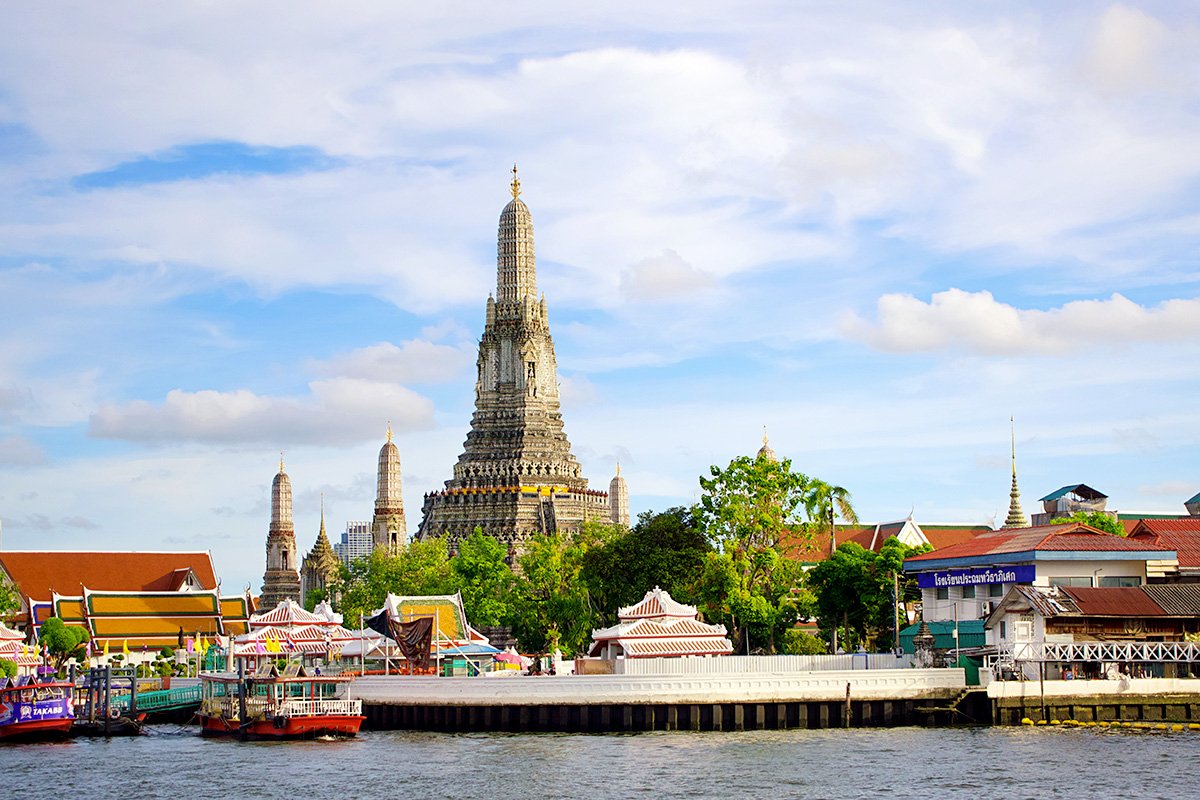
The big sites are there — the Grand Palace, Wat Pho, Wat Arun — and they are worth seeing, often just from the outside or from the river. But Bangkok is like Paris. You do not need to enter every monument to be overwhelmed by the city’s beauty and energy. The spectacle is everywhere, all the time, for free.
Getting around Bangkok. The BTS Skytrain and MRT are your best allies for avoiding the legendary traffic jams. For short distances, the tuk-tuk is an experience worth having at least once. The Grab and Bolt apps let you take a taxi at a fixed price with no nasty surprises. To use them from the moment you leave the airport, you need to be connected. An eSIM 5G with unlimited data active from the moment you land means Bangkok is right at your fingertips — Grab, Google Maps, translation, everything works without hunting for wifi or a local SIM card. Our 7, 15 and 30-day plans are available at thailandentry.com.
Bangkok deserves to be lingered over. Whether you have a day or a week, the city will always give you more than you expected. And those who leave too quickly always go with the urge to come back.
The North: Chiang Mai, Chiang Rai and Beyond
Northern Thailand is another planet entirely. No beaches, no mass tourism. Instead, jungle-covered mountains, temples of absolute serenity, ancient hill tribes, enchanting night markets and a cuisine that bears no resemblance to the rest of the country.
It is the Thailand that many travellers never discover. And it is often the one they fall most in love with.
Chiang Mai — Capital of the North
Chiang Mai is one hour by plane from Bangkok, in another world entirely. The ancient capital of the Lanna kingdom, the city has preserved its historic centre surrounded by moats and ramparts. Within these walls, over 300 temples, cobbled lanes, trendy coffee shops and artisan markets that delight wanderers.
The Old Quarter. This is the historic heart of Chiang Mai. Wat Chedi Luang, Wat Phra Singh, Wat Chiang Man — the temples follow one another in an atmosphere of rare serenity. In the evenings, the lanes come alive with restaurants and bars lit by lanterns. It is one of the most beautiful evening atmospheres in all of Thailand.
Doi Suthep. The temple perched on the mountain that dominates Chiang Mai is one of the most sacred in the North. The view over the city and the plain below is exceptional. The temple is even more beautiful at dawn, before the tourists arrive.
The markets. The Saturday and Sunday Walking Streets are among the best in the country. Local crafts, northern street food, traditional music — the atmosphere is unique. Arrive early, stay late.
The elephants. Northern Thailand is elephant territory. But be careful — not all sanctuaries are equal. Choose ethical sanctuaries where the animals are not used for shows or rides. Watching these animals in their natural environment, seeing them bathe and interact freely, is an experience that stays with you for life.
The hill tribes. In the highlands around Chiang Mai and Chiang Rai live communities that have preserved their traditions, costumes and languages for centuries. The Karen, the Hmong, the Akha. Respectful, organised visits with serious local guides offer a window into cultures of extraordinary richness.
Chiang Rai — The Authentic North
Three hours north of Chiang Mai, Chiang Rai is smaller, calmer and less touristy. And often more endearing.
Wat Phra Kaew — history first. Before talking about the spectacular temples that made Chiang Rai famous, this one must come first. The Wat Phra Kaew of Chiang Rai is where the Emerald Buddha statue, the Phra Kaew Morakot, was discovered — one of the most sacred relics in all of Southeast Asia. The statue was later transferred to Bangkok, where it now sits in the Grand Palace. The temple in Chiang Rai is not the most visually impressive, but it carries a history and spiritual significance that few places in Thailand can match. It is a place to visit with humility and respect, above all.
Wat Rong Khun — the White Temple. Entirely white and covered in mirrors that shimmer in the sun, this contemporary temple designed by artist Chalermchai Kositpipat is an artistic statement in its own right. Spectacular, surreal and highly photogenic. The visual impact is undeniable.
Wat Rong Suea Ten — the Blue Temple. In the same contemporary artistic vein, the Blue Temple impresses with its palette of deep blues and golds. Fewer tourists than the White Temple, more serenity.
The Golden Triangle. At the far north, where the borders of Thailand, Myanmar and Laos meet on the banks of the Mekong. A place steeped in history, once the heart of the opium trade in Southeast Asia. Today a fascinating site with a remarkably well-done opium history museum.
Chiang Rai as a base. Beyond its temples, Chiang Rai is above all an extraordinary base for exploring the deep North. Lake Tali, the Maesai road and the Burmese border, the Golden Triangle on the Mekong banks, Doi Tung and its mountain gardens.
Pai — The Village That Enchants
Three hours from Chiang Mai along a mountain road with 762 bends, Pai is a place apart. A former bohemian backpacker haunt, it has kept its soul while becoming a family-friendly, accessible destination on a human scale, far from mass tourism.
Pai means natural hot springs in the middle of nature, meditation and yoga centres that attract travellers seeking serenity, guesthouses tucked away in rice paddies, riverside cafés. A slow pace of life that does you good.
But Pai also has an unapologetically festive, rock’n’roll side. The village has its legendary spots, its bars with a unique atmosphere, its evenings that stretch into the early hours in a relaxed and welcoming vibe. You meet travellers from all over the world, artists, nomads, people who were meant to stay three days and are still there three weeks later. It happens often in Pai.
The best way to describe Pai? It feels like an island, but in the countryside. That particular atmosphere, that sense of being cut off from the world without really being so, that freedom that hangs in the air. It gives off something rare and indefinable that very few places in the world possess.
And for the more adventurous, Pai fits perfectly into the great North loop — one of the most beautiful routes in Southeast Asia. Up from Chiang Mai along the mountain road, exploring Pai and surroundings, continuing to Mae Hong Son, and depending on the season, crossing absolutely spectacular fields of wild sunflowers near Khun Yuam before descending toward Mae Sariang and returning to Chiang Mai via Doi Inthanon, Thailand’s highest peak. A multi-day loop, by car with a driver or by motorbike for the more experienced, following your own pace and encounters. One of the most beautiful itineraries in all of Thailand. And one of the least known.
In the North, mountain roads between Chiang Mai and Chiang Rai pass through sometimes isolated areas, far from any wifi. An eSIM 5G with unlimited data keeps you connected at all times — for navigation, translation, or simply sharing these exceptional moments in real time. Our 7, 15 and 30-day plans are available at thailandentry.com.
The South: Beaches, Islands and Infinite Turquoise
Southern Thailand deserves weeks of travel and entire guides of its own. What you are about to read is just a taste — a quick overview of the key destinations to help you choose your direction.
Phuket — The Pearl of Asia
Phuket is the gateway to southern Thailand. Thailand’s largest island, connected to the mainland by a bridge, has an international airport receiving direct flights from all over the world. It is often where you first set foot in the south — and often where you come back.
Phuket is everything and its opposite. Sumptuous beaches like Kata, Karon or Surin on one side, and Patong on the other, with its electric atmosphere, unapologetic nightlife and unique energy that leaves no one indifferent. Love it or hate it, Patong is part of Phuket’s DNA and Thailand’s tourist identity.
But Phuket is also a destination for activities and entertainment in its own right. Jet skiing, diving, snorkelling, parasailing, boat trips, muay thai, water parks, shows, night markets, gourmet restaurants, luxury spas. There is something for every taste, every age, every budget. You never get bored in Phuket — that much is certain.
Phuket is also an ideal base for exploring the surrounding islands, Phang Nga Bay with its spectacular karst formations, the Phi Phi Islands, Koh Yao Noi for lovers of calm and authenticity. The Pearl of Asia deserves time — a lot of time.
Krabi and Surroundings — A Dream Setting
Krabi is perhaps the most beautiful natural setting in the south. Limestone cliffs dropping into turquoise sea, Railay Beach accessible only by boat, the Phi Phi Islands with their crystal-clear waters, Koh Lanta quieter and more family-friendly. This is where Thailand looks like a life-size postcard.
The Krabi and Phang Nga region is also the place for kayaking through mangroves, sea caves, and sunsets over the Andaman Sea that stay with you forever. A destination that suits everyone — families and backpackers, divers and seekers of serenity.
Koh Samui and the Gulf of Thailand — Two Vibes, One Choice
Koh Samui is the large island of the Gulf of Thailand, accessible by ferry or plane from Bangkok. More sophisticated than Phuket in some respects, it offers a range of possibilities that suits all types of travellers.
Chaweng for the party scene, Bophut and its Fisherman’s Village for charm and authenticity, Lamai for a pleasant in-between. Koh Samui is also the natural departure point for two neighbouring islands with very different characters.
Koh Phangan — world-famous for its monthly Full Moon Party on Haad Rin beach. But it is also a preserved, lush island with wild beaches of rare beauty and one of the best yoga and wellness scenes in Asia.
Koh Tao — a diver’s paradise. One of the best diving and snorkelling destinations in the world, with exceptionally clear waters. It is also the ideal place to get your diving certification at very affordable rates.
And for those arriving along the eastern coast from Bangkok, the Surat Thani region is worth a stop. Kanom in particular, this small, still-preserved seaside village, is a destination slowly gaining momentum that will clearly be worth the detour in the years to come.
Koh Lipe and the Deep South
At the far south, on the doorstep of Malaysia, Koh Lipe is a tiny island with absolutely stunning turquoise waters. Still preserved, still authentic — a destination worth discovering before the masses fully find it.
Hidden Gems of the South
Koh Tarutao and its marine national park, one of the most preserved areas in the country, where sea turtles come to lay their eggs each year. Koh Kradan, Koh Mook and its secret sea caves accessible only by swimming at low tide. The Similan Islands, considered among the ten best diving sites in the world. And inland, Khao Sok National Park, a primary rainforest older than the Amazon, with its Cheow Lan lake and floating bungalows set on emerald water surrounded by karst cliffs. A place of absolutely breathtaking beauty, often overlooked by standard itineraries.
Southern Thailand is immense, generous and infinitely varied. This overview barely scratches the surface.
The East: Pattaya and the Gulf Islands
Pattaya — The City That Never Sleeps
Pattaya has a reputation that does not do it justice. Many only know its reductive image — a city of debauchery and frenetic nightlife. The reality is far more nuanced and far more interesting than that.
Yes, Pattaya has its red-light areas, its hostess bars, its unapologetic and laid-back nightlife. These are places that are part of the city’s DNA, that have their clientele and their atmosphere, and that are worth seeing for the unique vibe alone. But reducing Pattaya to that is like reducing Paris to Pigalle.
Jomtien, a few kilometres south of Walking Street, is a completely different atmosphere. Family-friendly, calm, with lovely beaches, seafront restaurants and a clientele of expats and retirees who chose to settle there for good reason. And for a family or couple stay, treating yourself to a good four or five-star hotel in Jomtien or Central Pattaya remains one of the best value-for-money options in all of Thailand.
Pattaya for families — the myth to bust. The city has a family entertainment offering that rivals the best destinations in the world. Water parks with slides ranked among the best in Asia, spectacular aquariums, theme parks, interactive zoos, children’s mini-cities. Nong Nooch Tropical Garden, Cartoon Network Amazone, Underwater World — the list is long and impressive. With children, Pattaya is in fact one of the most complete and best-equipped destinations in all of Thailand. You just need to know where to look.
And then there is that unique thing that very few cities in the world can offer: in Pattaya, everything is possible at any hour. Want a haircut at 3am? There is a salon open. A plate of seafood pasta at 4am? No problem. A massage, a pharmacy, a night market, a cocktail bar — everything runs continuously in a city that does not know curfew. Entertainment in its purest form, twenty-four hours a day.
Pattaya as a base. What many people do not realise is that just one hour from Pattaya, you step into a completely different Thailand. The islands of Trat province — Koh Chang, Koh Kood, Koh Mak, Koh Samet — are all accessible from Pattaya and its surroundings. You go from Pattaya’s buzz to total immersion in nature in under an hour.
Pattaya is like no other city in Thailand. It is excessive, alive, surprising, generous. Give it a chance beyond the clichés — it has plenty of surprises in store.
The Eastern Islands: Trat Province
At Thailand’s far east, on the doorstep of Cambodia, Trat province is home to an archipelago of some of the most wild and preserved islands in the country. Authentic, generous Thailand that rewards those who make the effort to get there.
Koh Chang — Thailand’s second largest island after Phuket. Mountainous, lush, crossed by waterfalls and dense tropical forest. Quiet beaches, a relaxed atmosphere and remarkable marine life.
Koh Kood — perhaps the most beautiful and wild island in the east. Absolutely turquoise waters, near-deserted white sand beaches, preserved nature of rare generosity. Very few tourists, a great deal of serenity.
Koh Mak — small, calm, family-friendly. No cars, no noise, no crowds. Gentle beaches, coconut palms, a slow pace of life that feels like a genuine reset.
Koh Samet — the most accessible from Bangkok, about three hours by road. Fine sand beaches, calm waters, a festive but relaxed evening vibe. Perfect for a short break from the capital.
The West and Bangkok’s Surroundings: History, Nature and Escapes
Just two hours from Bangkok, Thailand offers escapes of extraordinary richness. No need to fly, no need to plan days of travel. A car with a driver or a comfortable bus, and you are in another world.
Kanchanaburi — History and Nature
Kanchanaburi is one of the most historically charged destinations in all of Thailand. This is where the infamous Bridge on the River Kwai was built during the Second World War, by thousands of prisoners of war under Japanese army orders. The bridge is still there, walkable on foot, and the Allied war cemetery next to the town is a place of remembrance of rare sobriety and emotion.
But Kanchanaburi is also generous and soothing nature. The River Kwai and its floating rafts, the Erawan Falls with their turquoise pools deep in the jungle, Sai Yok National Park and its waterfalls, caves, forests. A destination that perfectly combines historical memory and immersion in Thai nature.
Hua Hin — The Royal Seaside Resort
Three hours south of Bangkok on the Gulf of Thailand coast, Hua Hin is the country’s oldest and most distinguished seaside resort. For decades, the Thai royal family has stayed at its summer palace here, giving the town a reputation as a refined and peaceful destination.
Hua Hin is far from the bustle of Phuket or Pattaya. The atmosphere here is more relaxed, more elegant. Beautiful beaches, charming hotels, excellent seafood restaurants, lively night markets, some of the country’s best golf courses. An ideal destination for those seeking the beach without the mass tourism.
Ayutthaya — The Ancient Capital
One hour north of Bangkok, Ayutthaya is one of the most impressive historical destinations in Southeast Asia. The ancient capital of the Kingdom of Siam for more than four centuries, the city was destroyed by the Burmese in 1767. What remains today, listed as a UNESCO World Heritage Site, is an archaeological site of absolutely breathtaking melancholic beauty.
Dozens of ruined temples, Buddha heads that have become entwined in tree roots over time, stupas rising toward the sky. Ayutthaya is best explored by bicycle, following the canals and stopping as discoveries present themselves.
Bangkok’s surroundings are a goldmine often overlooked by travellers eager to reach the southern beaches or northern mountains. Kanchanaburi for history and nature, Hua Hin for elegant seaside, Ayutthaya for the splendour of the past. Three escapes, three atmospheres, all within three hours of the capital.
Thailand is infinite. This guide barely scratches its surface. Every destination deserves time, curiosity and openness. Detailed guides for each destination are coming soon. Find our upcoming publications at thailandentry.com.
TDAC & THIM : What Every Traveller Needs to Know
If you’ve been researching your trip to Thailand recently, you’ve probably come across two terms: TDAC and THIM. Two acronyms. Two systems. And a lot of confusion online about what each one means and which one you actually need. This guide cuts through it.
The short answer: TDAC is still mandatory for all foreign travellers entering Thailand. THIM is a new app that sits alongside it — but does not replace it. You still need your TDAC before you land.
What is the TDAC — Thailand Digital Arrival Card?
The TDAC (Thailand Digital Arrival Card) replaced the old paper TM6 arrival card in May 2025. It is a mandatory digital arrival declaration, required for every foreign traveller entering Thailand by air, land, or sea — regardless of nationality or visa status.
It is free and accessed via the official Thai Immigration web portal. You must submit it within the 72-hour window before your arrival. Once submitted, you receive a confirmation QR code by email to present upon arrival.
The TDAC is not a visa. It is a mandatory entry declaration — a digital replacement for the paper form you used to fill out on the plane.
What is THIM — Thailand Immigration Management System?
THIM stands for Thailand Immigration Management System — also referred to as the Thai Immigration Mobile Application. It is a new mobile app developed by the Thai Immigration Bureau in partnership with Amazon Web Services (AWS) and Digital Identity Co.
THIM allows travellers to register their profile once — using AI-powered passport scanning and biometric identification — and then use that stored profile for future trips to Thailand. No need to re-enter all your details every time.
- Public launch: 1 October 2026 (currently in national pilot phase)
- Available in: English, Russian, Japanese and Chinese — 15 languages planned by end 2026
- Free to download — no fee to register
- Requires: compatible smartphone with NFC capability and camera
TDAC vs THIM — What’s the Difference?
Think of it this way:
- TDAC = the mandatory arrival declaration. The form you must complete before every entry into Thailand. Web-based, accessible from any device.
- THIM = the new immigration super-app. A broader platform that includes TDAC functionality, plus stored traveller profile, future visa services, and more.
THIM does not currently replace TDAC. The two systems coexist. TDAC remains the reference standard for Thailand’s digital arrival requirement.
Who is THIM For — and Who Will Stick With TDAC?
THIM is designed for frequent travellers to Thailand who want a faster, one-registration experience. For everyone else — first-time visitors, families, travellers without NFC-compatible smartphones, or those who simply prefer a web-based process — the TDAC web portal remains the practical, reliable solution.
- THIM works well for: Frequent travellers, tech-savvy users, modern smartphones
- TDAC web portal works well for: First-time visitors, older devices, those who prefer not to use biometric apps, families, groups
Does This Change Anything for Your Arrival?
Not right now. For your upcoming trip to Thailand, the process remains:
- Complete your TDAC — via the official web portal or through an assistance service — within 72 hours of arrival
- Receive your confirmation QR code by email
- Present it at Thai immigration upon arrival
Whether THIM becomes widely adopted or not — your TDAC remains your boarding pass for Thailand immigration. That’s not changing.
The Simplest Solution — Let Us Handle It For You
With www.thailandEntry.com, you don’t need to choose between TDAC and THIM. We handle your arrival registration for you — you receive your official confirmation by email and that’s it. No app to download, no window to track, no stress.
Whether you’re travelling next week or planning six months ahead, our Standard service ($29.90) and Emergency service ($59.90) ensure your TDAC is submitted correctly, on time, and confirmed to your inbox — reviewed by our team before every submission.
In a world where Thailand’s immigration process is evolving with THIM, having a dedicated expert team handle your entry paperwork makes more sense than ever. More systems. More complexity. One simple solution.
Ready? Visit thailandentry.com — Standard, Emergency, or Pack with eSIM. Thailand is waiting
Thailand : 22 Sea & Sand Escapes
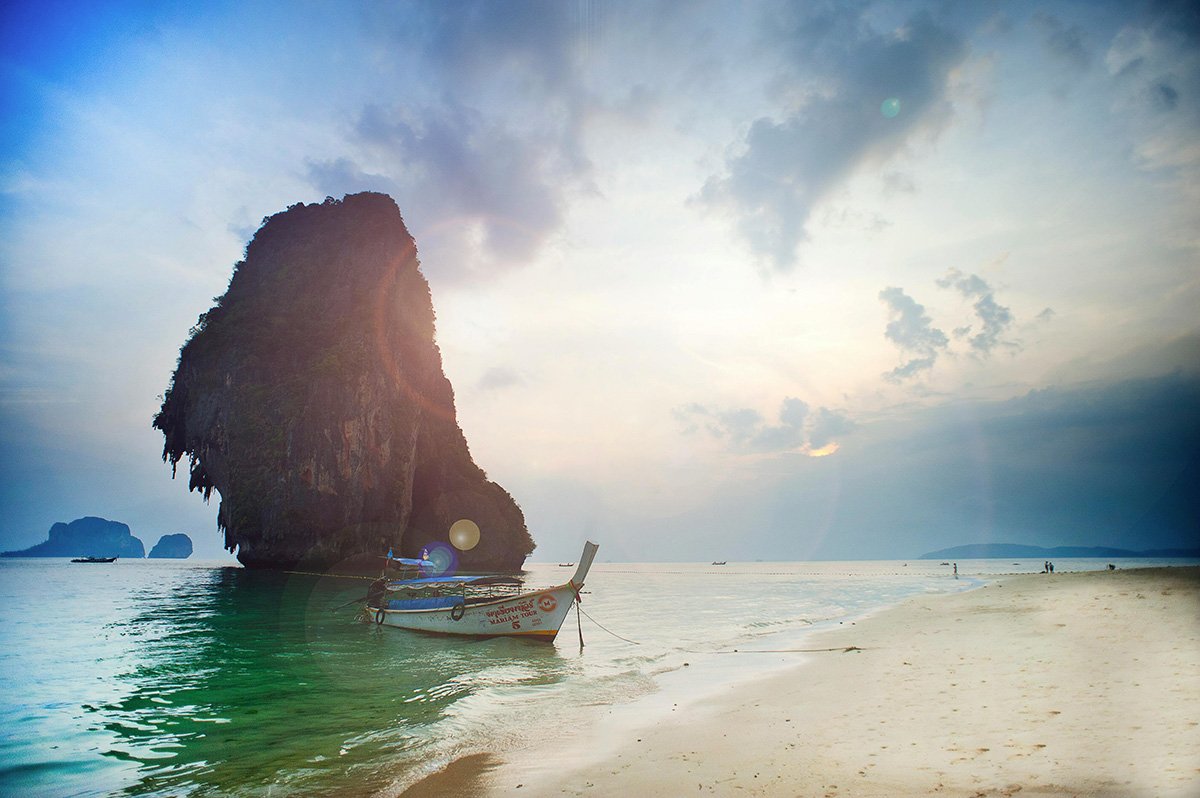
These are not an itinerary. No route, no schedule, no order to follow. Just 22 sea and sand escapes — pick the ones that speak to you.
Zone A: The Andaman Sea (West Coast)
1. PHUKET: The Great Epicurean Gateway
The main island is not just a transit point; it is the logistical heart of the South and a gastronomic paradise.
The Hidden Beach: Banana Beach (Koh Hey). Nestled on the coral island just off the southern coast, this cove offers immaculate sand far from Patong’s crowds. Logistics & Access: Depart from Chalong Pier in the south of Phuket. Allow 15 to 20 minutes by private speedboat or 45 minutes by luxury catamaran. The Flagship Activity: For world-class diving (Similan, Racha), the institution is All 4 Diving (https://www.all4diving.com). Motorbike Rental: For maxi-scooters (Forza 350, T-Max) with genuine premium insurance, the reference is Motorbike Rental Phuket (https://motorbikerentalphuket.com).
Where to Eat?
- Fine Dining: Blue Elephant Phuket (https://blueelephant.com), royal Thai cuisine in a Sino-Portuguese palace in Phuket Town.
- Local & Raw: Mor Mu Dong (https://www.tripadvisor.com/Restaurant_Review-g293920-d3711910-Reviews-Mor_Mu_Dong-Phuket_Town_Phuket.html), a hidden table in the mangrove, awarded by the Michelin Guide. Try the Pla Too Yat Sai (fish stuffed with red curry and fried).
- The VIP Secret Note: It is on the island’s exclusive heights, overlooking Phang Nga Bay, that power couple Jay-Z and Beyoncé once rented a sumptuous ultra-private villa for one million dollars a week.
2. KOH LANTA (Lanta Yai): Authentic Serenity
A long, narrow island, lined with golden beaches and infused with a unique gentle way of life.
The Hidden Beach: Bamboo Bay (Ao Mai Phai). At the far south, just before the National Park, a crescent of fine sand encircled by jungle. Logistics & Access: From Krabi airport, 1.5 to 2 hours by road including the road bridge. By sea, speedboats drop you at Saladan Pier in the north. The Flagship Activity: Cave and mangrove exploration by kayak with the pioneers of Sea Canoe Thailand (http://www.seacanoe.com).
Where to Eat?
- Prestige: The View Southern Grill at the Pimalai Resort & Spa (https://pimalai.com), a table suspended on the clifftop.
- Feet in the Sand: Same Same But Different (https://www.tripadvisor.com/Restaurant_Review-g303905-d1151608-Reviews-Same_Same_But_Different-Ko_Lanta_Krabi_Province.html) at Kantiang Bay for its fresh coconut milk curries.
- The Pop-Culture Note: It was on these wild beaches that the very first season of the iconic French television show Koh-Lanta was filmed in 2001, a show that borrowed its name from the island.
3. KOH LANTA NOI: The Silent Mirror Island
The big sister of Koh Lanta Yai, connected by a bridge, yet remaining entirely rural and unspoiled.
The Hidden Beach: The wild shores of Lang Sod Beach, deserted and lined with casuarina trees. Logistics & Access:Direct crossing by car or scooter from the mainland via the Krabi road. The Anecdote: No resorts here. The island lives to the rhythm of rubber plantations and traditional fishing villages, unchanged for fifty years.
4. KOH MOOK: The Emerald Secret Island
A small fishing island in Trang province, world-famous for its geological wonder.
The Hidden Beach: Sivalai Beach (Ao Kham). A spectacular strip of white sand stretching hundreds of metres into turquoise waters. Logistics & Access: Access from Kuan Tung Ku Pier (Trang province) by 30-minute long-tail boat.Maritime Network: For island-hopping across all these islands, the major company is Tigerline Ferry (https://tigerlineferry.com/). The Must-Do Activity: The Emerald Cave (Tham Morakot). You swim through 80 metres of dark rock tunnel to emerge into a secret lagoon surrounded by towering cliffs. Where to Stay/Eat: The beachside restaurant at Koh Mook Sivalai Beach Resort (https://www.komooksivalai.com/), perched on the tip of the sandbank.
5. KOH KRADAN: The Coral Pearl
Considered by connoisseurs to have the most crystal-clear waters in the entire country. It is protected by national park status.
The Hidden Beach: Ao Niang Beach (Sunset Beach). An isolated cove to the southwest, accessible via a jungle path, offering an intact coral reef 50 metres from the shore. Logistics & Access: Accessible from Pak Meng or Kuan Tung Ku piers in Trang (45-minute crossing). The Hollywood Secret Note: In 1999, to escape the paparazzi frenzy during filming of The Beach at Maya Bay, Leonardo DiCaprio and part of the crew would escape on weekends to the deserted sands of Koh Kradan to find complete peace.
6. KOH NGAI (Koh Hai): The Contemplative’s Refuge
A pocket island of cliffs and white sand, administratively part of Krabi but accessible via Trang.
The Hidden Beach: The main beach on the East coast, offering a surreal panorama over Trang’s rocky pinnacles.Logistics & Access: 45 minutes by long-tail boat from Pak Meng Pier. No roads on the island — everything is done on foot along the sand.
7. KOH LIPE: The Maldives of Thailand
Located at the far south, close to the Malaysian border, at the heart of the Tarutao marine park.
The Hidden Beach: Pattaya Beach for its powdery white sand and Sunrise Beach for its sunrises facing the wild islands. Logistics & Access: In high season, direct speedboat connections from Phuket or Koh Lanta via Tigerline Ferry. Off-season, sole departure from Pakbarra Pier in Satun. The Anecdote: This is the historic territory of the Chao Ley (the sea gypsies), who have navigated these waters for generations and possess a unique knowledge of the reefs.
8. KOH TARUTAO: The Prison Island and Wild Park
The largest island in the eponymous national park, covered in impenetrable jungle and steeped in history.
The Hidden Beach: Ao Son Beach, a vast wild beach stretching several kilometres where sea turtles still come to lay their eggs. Logistics & Access: Accessible by ferry from Pakbarra Pier in Satun. The Historical Note: During the Second World War, this island served as a political prison. Cut off from the mainland and deprived of supplies, the prisoners and their guards allied together and became feared pirates in the Strait of Malacca.
9. KOH ADANG: Nature in its Rawest Form
A direct neighbour of Koh Lipe, it is its perfect opposite: vast, mountainous, wild and almost deserted.
The Hidden Beach: The black sand beach on the North coast and the coves facing Koh Lipe. Logistics & Access: 10-minute long-tail boat shuttle from Sunrise Beach on Koh Lipe.
10. KOH YAO NOI: Eco-Luxury Facing the Stone Giants
Nestled in the middle of Phang Nga Bay, it cultivates a traditional spirit and a discreet upscale positioning.
The Hidden Beach: Klong Jark Beach, offering a breathtaking panoramic view over the karst pinnacles of the bay.Logistics & Access: From Phuket, depart from Bang Rong Pier for a 30-minute speedboat crossing to Manoh Pier. The Flagship Activity: Exclusive sea outings and guided climbing with the legendary Six Senses Yao Noi resort (https://www.sixsenses.com/en/resorts/yao-noi/). Unforgettable dinner at The Hilltop Reserve table. The Stars & Anonymity Note: Known for its anti-paparazzi policy, the island is the secret hideaway of international stars such as Cristiano Ronaldo or members of the British royal family seeking absolute tranquillity.
11. KOH YAO YAI: The Wild Big Sister
Larger than Yao Noi, it is even more unspoiled and covered in coconut plantations.
The Hidden Beach: Laem Had Beach. An ultra-photogenic white sand point that juts out into the sea, creating a picture-postcard landscape at low tide. Logistics & Access: Accessible via Klong Hia Pier from Phuket or by a 10-minute fast shuttle from Koh Yao Noi.
12. KOH PHI PHI DON: The Energetic Archetype
Despite its tourist success, it retains exclusive corners accessible only by sea.
The Hidden Beach: Loh Ba Kao Bay, a vast tranquil bay in the north of the island where upscale establishments are tucked away. Logistics & Access: Daily ferry and large speedboat connections from Rassada Pier (Phuket) or Klong Jilad Pier (Krabi) to Tonsai Pier.
13. KOH PHI PHI LEH: The Limestone Sanctuary
An uninhabited island, classified as a national park, made of vertiginous cliffs enclosing turquoise lagoons.
The Hidden Beach: Maya Bay, the most famous beach in the world. Logistics & Access: Accessible only on day trips by long-tail boat or speedboat from Phi Phi Don or Phuket. The Cinema Note: This is where the cult film The Beach (2000) was filmed. The site is now strictly protected with visitor quotas to preserve the coral reef.
14. KOH JUM (Koh Pu): Absolute Calm
Located between Krabi and Koh Lanta, this forgotten island offers a return to the Thailand of yesteryear.
The Hidden Beach: Golden Beach, a peaceful beach lined with large trees providing perfect natural shade. Logistics & Access: In high season, ferries on the Krabi-Lanta route stop offshore to transfer passengers onto local long-tail boats.
15.KOH PAYAM — The Hippie Island with the Beached Boat
Ranong Province, at the far northern end of the Andaman coast. Koh Payam is the island that refused to give in. No cars, red laterite tracks, bamboo bungalows, breathtaking sunsets, and a community of travellers who decided one day to stop here and never leave. One of the last Thai islands to have kept a genuinely bohemian soul.
Hidden Beach: Ao Yai (Long Beach).
A vast wild beach stretching several kilometres along the west coast, pounded by Andaman waves during the rainy season and utterly serene in high season. The sunsets here rank among the finest on the entire west coast.
Logistics & Getting There:
From Ranong pier (approximately 6 hours north of Phuket or 3.5 hours from Chumphon), cross by speedboat in 40 minutes or by slow boat in 1h30. On the island, everything is done by motorbike or scooter — paved roads are virtually non-existent.
Top Activity:
Rent a scooter for the day and explore the island end to end — from Ao Yai beach to Ao Kao Kwai beach in the north, passing through inland rice paddies and still-intact fishing villages. Snorkelling around the surrounding islets (Koh Kam, Koh Phayam Noi) is equally exceptional.
The Hippie Bar and the Beached Boat
The absolute emblem of Koh Payam, found nowhere else in Thailand: a large wooden fishing boat, once seaworthy, now permanently beached on the sand of Ao Yai and transformed into a bar. Someone once placed a table inside, hung lanterns in the rigging, set up a Bluetooth speaker on the deck and started serving cocktails at sunset. And it never stopped.
This is the bar of Koh Payam. No reservations, no dress code, no such thing as being late. You arrive as the sun begins to drop over the Andaman, settle on the deck or in the sand below, and watch the sky turn orange above the horizon. Island regulars, passing backpackers, local fishermen and the few expats who have made Koh Payam their home port all gather here naturally, every evening, in the same laid-back and welcoming atmosphere that defines this island more than any other.
If Koh Payam had a postcard, this would be it.
Where to Eat
Authentic & Unpretentious: Buffalo Bar & Restaurant
The go-to table on Ao Yai, run by the same family for years. Home-made curries, daily catch grilled with lemongrass, the atmosphere of a 1990s beach bungalow. Nothing changes here, and long may it stay that way.
Street Food Village:
The small evening market in the centre of the island, a 10-minute scooter ride from both main beaches. Skewers, pad thai, banana fritters, mango sticky rice. Local prices, unbeatable quality.
The Vibe: Koh Payam is one of the rare Thai islands where you will meet as many long-stay guests as quick passers-through. People often come for a week and leave three weeks later. The island does that to you.
ZONE B — The Gulf of Thailand (East Coast)
Important: the Gulf’s dry season is the opposite of the Andaman’s. The Gulf is at its best from December to May, while the Andaman shines from November to April. Check conditions before you choose your dates.
16.KOH SAMUI — The Grande Dame of the Gulf
Thailand’s second most visited island, shaped by thirty years of international tourism yet still holding its own character.
Hidden Beach: Silver Beach (Ao Thong Ta Khian).
Tucked between two rocky headlands on the central east coast, this intimate cove with its silvery sand is one of the most unspoilt stretches on Samui.
Logistics & Getting There:
Direct flight from Bangkok (Don Mueang or Suvarnabhumi) in 1h15 with Bangkok Airways. Ferry from Donsak Pier in 1h30 via Raja Ferry.
Raja Ferry: https://www.rajaferryport.com
Top Activity:
Diving and snorkelling trips to Koh Tao and Ang Thong National Marine Park with Discovery Dive Centre.
Discovery Dive Centre: https://www.discoverydivecentre.com
Where to Eat
Fine Dining: The Dining Room
Stilted table facing the sunset — one of the finest addresses on the island.
Local & Authentic: Ninja Crepes at Fisherman’s Village, Bophut
An institution for twenty years, run by the same family.
Star Note: The Four Seasons Koh Samui on the northeast coast is regularly ranked among Asia’s ten best resorts. Celebrities and royalty stay for its private-pool villas suspended above the sea.
Four Seasons Koh Samui: https://www.fourseasons.com/kohsamui/
17.KOH PHANGAN — Beyond the Full Moon
The island of the world-famous Full Moon Party, yet one that conceals a hidden face of absolute serenity.
Hidden Beach: Haad Khom (Coconut Beach),
on the north coast. A sheltered, near-deserted cove with calm, shallow waters — perfect for families and crowd-free snorkelling.
Logistics & Getting There:
Ferry from Donsak Pier or, more conveniently, from Koh Samui in 30 minutes via Lompraya Ferry.
Lompraya Ferry: https://www.lomprayah.com
Top Activity:
Yoga and meditation retreats at Agama Yoga, one of the most respected schools in Southeast Asia.
Agama Yoga: https://www.agamayoga.com
Where to Eat
View & Quality: Outback Bar & Restaurant at Haad Yao
Wooden hillside terrace with a guaranteed sunset view over Koh Samui.
Feet in the Sand: Lazy House at Haad Salad
Family Thai cooking served directly on the beach.
Full Moon Note: The Full Moon Party at Haad Rin draws between 20,000 and 30,000 revellers every month. The island has also recently attracted a growing community of digital nomads settled into its many co-working spaces with sea views.
18.KOH TAO — The Divers’ Kingdom
The smallest of the three main northern Gulf islands, and the most specialised. Koh Tao is the world capital of affordable diving certification.
Hidden Beach: Aow Leuk Bay,
on the south of the island. A horseshoe-shaped cove of white sand with shallow, crystal-clear water and coral accessible just 10 metres from the shore.
Logistics & Getting There:
Catamaran from Chumphon (2 hours) or from Koh Samui and Koh Phangan via Lompraya and Seatran Discovery.
Lompraya: https://www.lomprayah.com
Seatran Discovery: https://www.seatrandiscovery.com
Top Activity:
Complete your PADI Open Water certification in 3 days. The reference dive centre is Big Blue Diving.
Big Blue Diving: https://www.bigbluediving.com
Where to Eat
Must-Visit: Barracuda Restaurant & Bar
Mediterranean-Thai fusion, views over Mae Haad Bay, regularly award-winning.
Budget & Flavour: Pranee’s Kitchen at Mae Haad
The local canteen that regulars guard jealously. Unbeatable pad thai and home-made curries.
Diving Note: The waters around Koh Tao are among the richest dive sites in the Gulf, with leopard sharks, sea turtles and whale sharks visible in season (March–May and September–December).
19.KOH CHANG — The Green Mountain in the Sea
Thailand’s second largest island, massive, mountainous, covered by dense tropical rainforest that sweeps down to the beaches.
Hidden Beach: Lonely Beach (Ao Bai Lan).
Despite its now somewhat misleading name, this west coast beach has kept a relaxed, bohemian atmosphere unique to Koh Chang.
Logistics & Getting There:
From Bangkok, bus or car to Laem Ngop pier (Trat Province, approximately 4.5–5 hours) then 30 minutes by ferry via Koh Chang Ferry. Bangkok–Trat flights available with Bangkok Airways (45 min).
Koh Chang Ferry: http://www.kohchangferry.com
Top Activity:
Trek to the Klong Plu waterfalls — the most accessible and most photogenic on the island — and swim in the natural pools below.
Where to Eat
Local Favourite: Invito Al Cibo
Garden terrace, fresh Italian cuisine in the middle of the jungle, run by a European chef who has been there for years.
Authentic Thai: Nid’s Thai Kitchen
Wok cooking right in front of you, fresh market fish specialities.
Historical Note: The waters off Koh Chang were the site of the only naval battle in the history of the Royal Thai Navy, in 1941, pitting Thai forces against the French Indochina navy.
20.KOH SAMET — Bangkok’s Weekend Escape
The closest Gulf island to the capital, reachable in a weekend. Its sand is almost unnaturally white, practically luminescent, due to an unusually high quartz content.
Hidden Beach: Ao Wai (Wai Bay).
At the far southern tip of the island, accessible only on foot via a coastal path or by long-tail boat from the main pier. A strikingly beautiful cove, deserted on weekdays.
Logistics & Getting There:
Bus from Bangkok Ekamai or Suvarnabhumi to Ban Phe (approximately 3.5 hours) then ferry in 30 minutes to Na Dan Pier or directly to Ao Wong Duan by speedboat.
Koh Samet Ferries: https://www.kohsametferries.com
Where to Eat
Feet in the Sand: Jep’s Restaurant at Ao Wong Duan
An institution for decades — fish and seafood grilled over charcoal two metres from the waves.
Literary Note: Koh Samet takes its name from the Thai poet Sunthorn Phu, who lived here in the 19th century and set part of his romantic epic Phra Aphai Mani on the island — considered the masterpiece of classical Thai literature.
21.KOH KOOD — The Last Wild Frontier
The southernmost and most pristine of the major islands in Trat Province. No mass car rentals, no 7-Eleven on every corner. Just forests, waterfalls and water of an absolute turquoise.
Hidden Beach: Ao Phrao (Paradise Beach).
A sheltered bay on the northwest coast, with calm waters ideal for family swimming, surrounded by dense vegetation that runs right down to the sand.
Logistics & Getting There:
Ferry from Laem Sok Pier (Trat) via Boonsiri High Speed Ferry — catamaran, approximately 1h45.
Boonsiri Ferry: https://www.boonsiriferryandcatamaran.com
Top Activity:
Swimming at the Nam Tok Klong Chao waterfalls — the most beautiful on the island, 15 minutes by scooter from the main pier.
Where to Eat
Isolated Excellence: Koh Kood Beach Resort Restaurant
Morning catch brought straight from local fishermen’s nets, open kitchen facing the sea.
Insider Note: Koh Kood is home to the highest density of native old-growth trees in all of Thailand — an island as beautiful in its forests as it is on its beaches.
22.KOH MAK — The Soothing Palm Grove
Small, flat, covered in coconut palms and rubber plantations. No cars, little noise, a family-friendly holiday atmosphere stripped of all artifice.
Hidden Beach: Ao Suan Yai (Koh Mak Beach).
The main west-facing beach, wide and shaded by palms, with an unexpected emerald-green tint to the water at high tide.
Logistics & Getting There:
Ferry from Laem Sok Pier (Trat) via Boonsiri — approximately 1h15.
Boonsiri Ferry: https://www.boonsiriferryandcatamaran.com
Top Activity:
Hire a bicycle or electric scooter and circle the island in two hours — a bucolic ride through coconut groves and fishing villages, with swimming stops in the wild coves of the east coast.
Where to Eat
Not to Be Missed: Cococape Restaurant
Wooden pontoon tables, a short and fresh menu, whole fish grilled with lemongrass.
Slow Life Note: Koh Mak is officially certified as a Low Carbon Destination by the World Tourism Organization — a rare distinction that reflects the island community’s genuine commitment to responsible, sustainable tourism.
Editor’s Note
This guide was designed for lovers of authentic Thailand — the Thailand of long-tail boat crossings and extended stopovers on islands sometimes forgotten by standard mobile networks. Navigating from one archipelago to another requires good preparation and, above all, a way to stay connected to adjust your itinerary as you go. To spare you network outages in the middle of the Gulf or the Andaman Sea, we suggest securing your essentials before departure. The website www.thailandentry.com offers a premium, seamless assistance service that handles all of your submission formalities, while equipping you upon arrival with an unlimited 5G DTAC eSIM. An ideal combo for exploring with a light heart.
How it works

Easy application!
Done in 5 mins!

Pay online securely

Receive your TDAC
by email

Travel stress-free